Introduction
Studying at a US university is not only about earning a degree. It is a complete life experience that shapes personal growth, professional development, and global awareness. American universities are known for their vibrant campus environments, cultural diversity, extracurricular activities, and strong career support systems.
In this final article of the series, we will explore student life, campus culture, internship opportunities, networking advantages, and career outcomes at top US universities.
The Diversity of US University Campuses
One of the most attractive features of American universities is their diversity. Students from different countries, cultures, and academic backgrounds come together in one learning environment.
Multicultural Environment
Campuses often host students from over 100 countries. This exposure helps students:
- Develop cross-cultural communication skills
- Build international friendships
- Understand global perspectives
- Improve language proficiency
Universities such as New York University are especially known for their diverse student communities.




Campus Facilities and Infrastructure
US universities invest heavily in modern facilities that support both academic and personal development.
Libraries and Research Centers
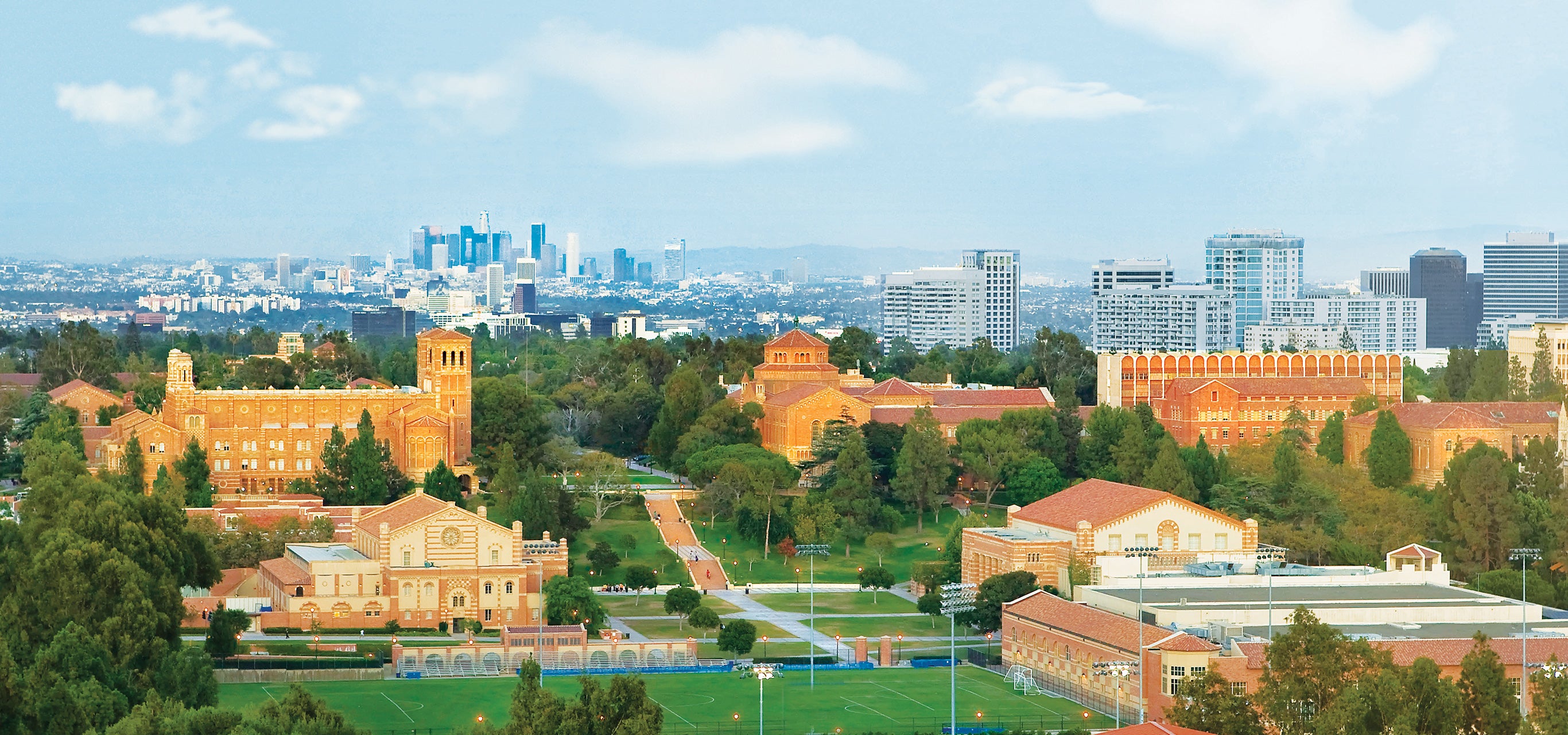
Institutions like University of California, Los Angeles provide extensive library systems and advanced research laboratories.

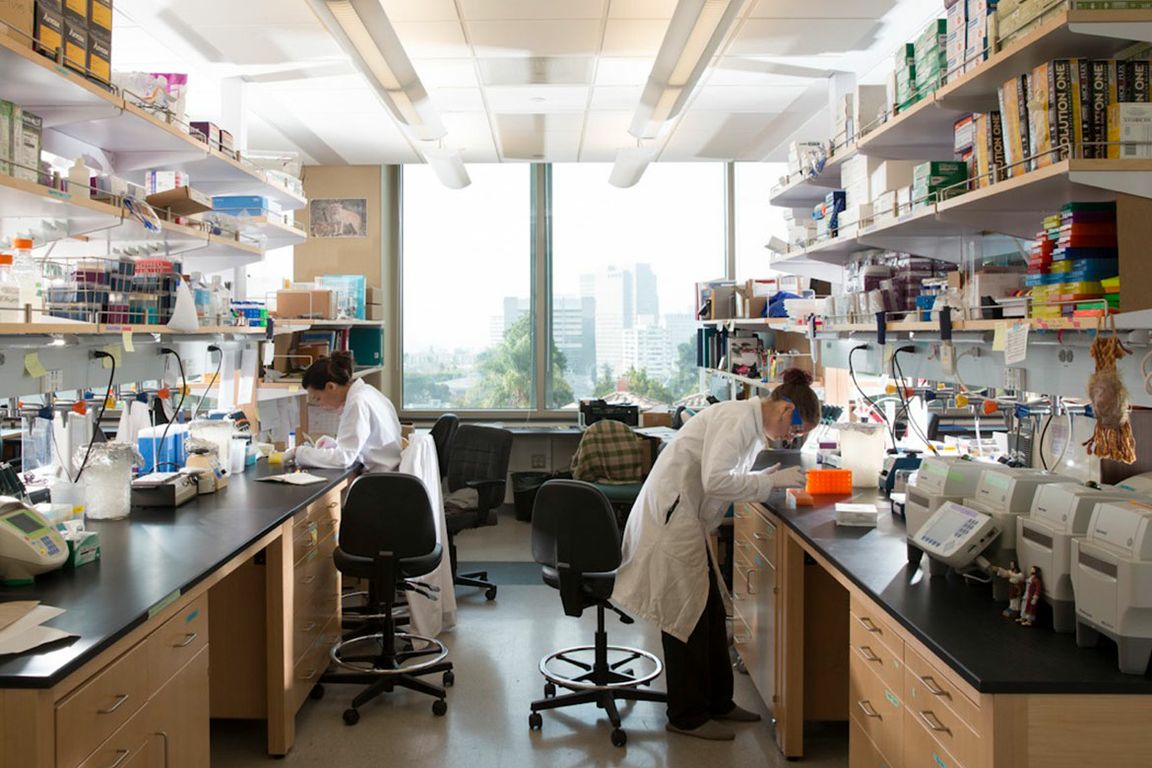
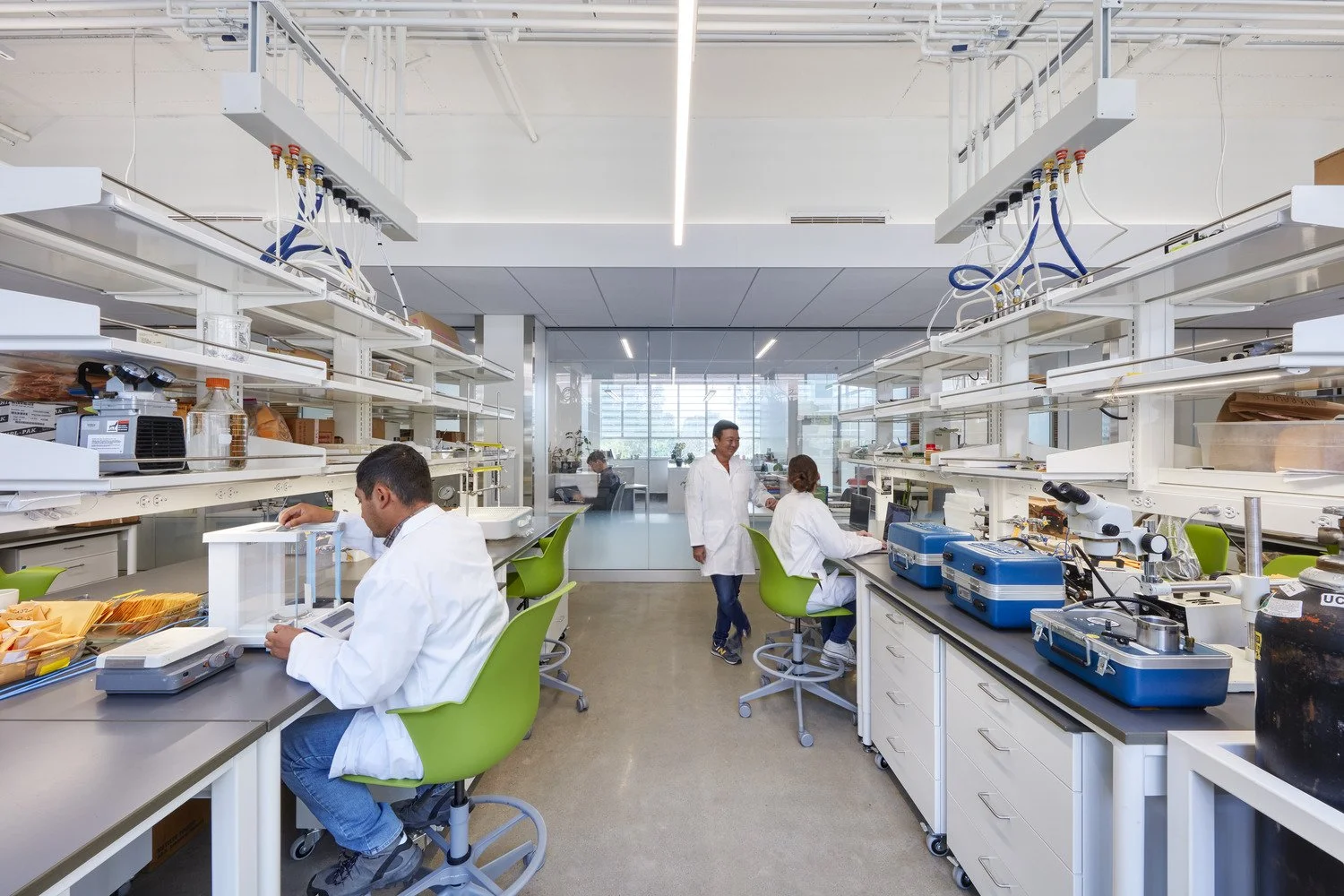
Students have access to:
- Digital research databases
- Study rooms
- Innovation labs
- Collaborative learning spaces
Sports and Recreation
Many universities offer:
- Modern gym facilities
- Athletic stadiums
- Swimming pools
- Intramural sports programs
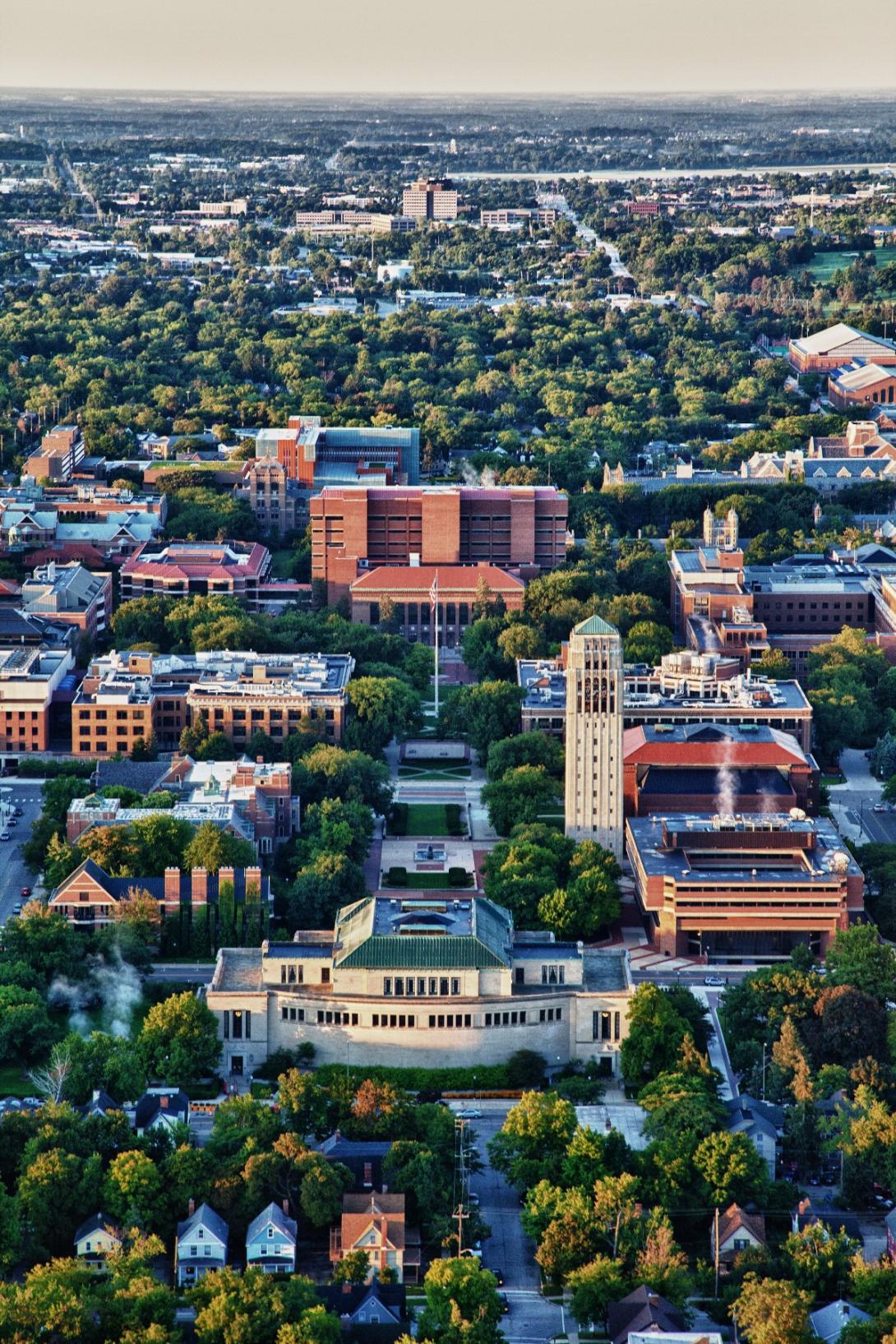
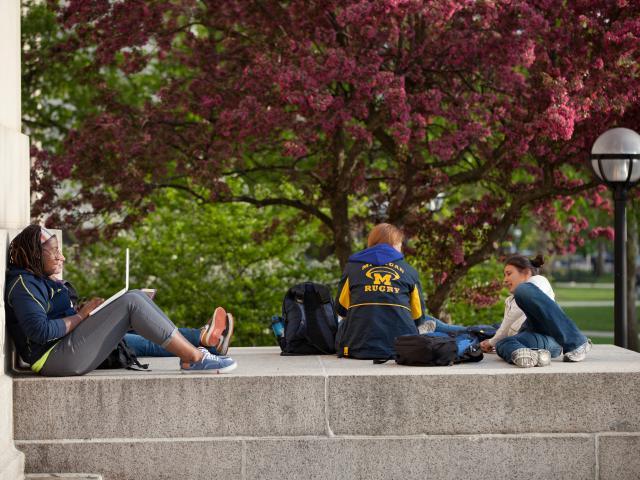
Sports culture is especially strong at institutions like University of Michigan.

Student Organizations and Leadership Opportunities
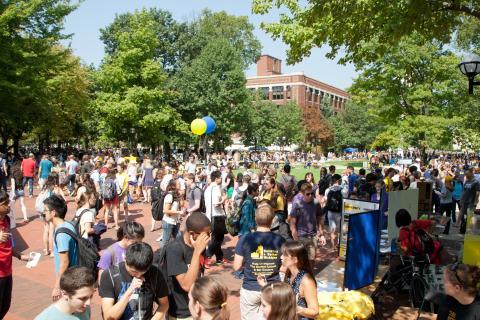
American universities encourage students to participate in extracurricular activities.
Clubs and Societies
Students can join clubs related to:
- Technology
- Business
- Debate
- Cultural exchange
- Volunteer work
- Entrepreneurship
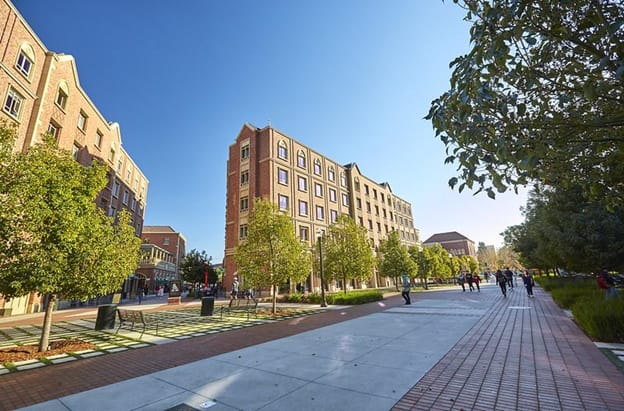
For example, University of Southern California offers hundreds of student organizations.



Leadership Development
Holding leadership positions in student organizations helps students:
- Build confidence
- Improve communication skills
- Develop teamwork abilities
- Enhance resumes
These experiences are highly valued by employers.
Internship and Work Opportunities
Practical experience is a major advantage of studying in the US.
Internships During Study
Many universities have strong connections with industries. Students can gain internships in:
- Technology companies
- Financial institutions
- Healthcare organizations
- Media companies
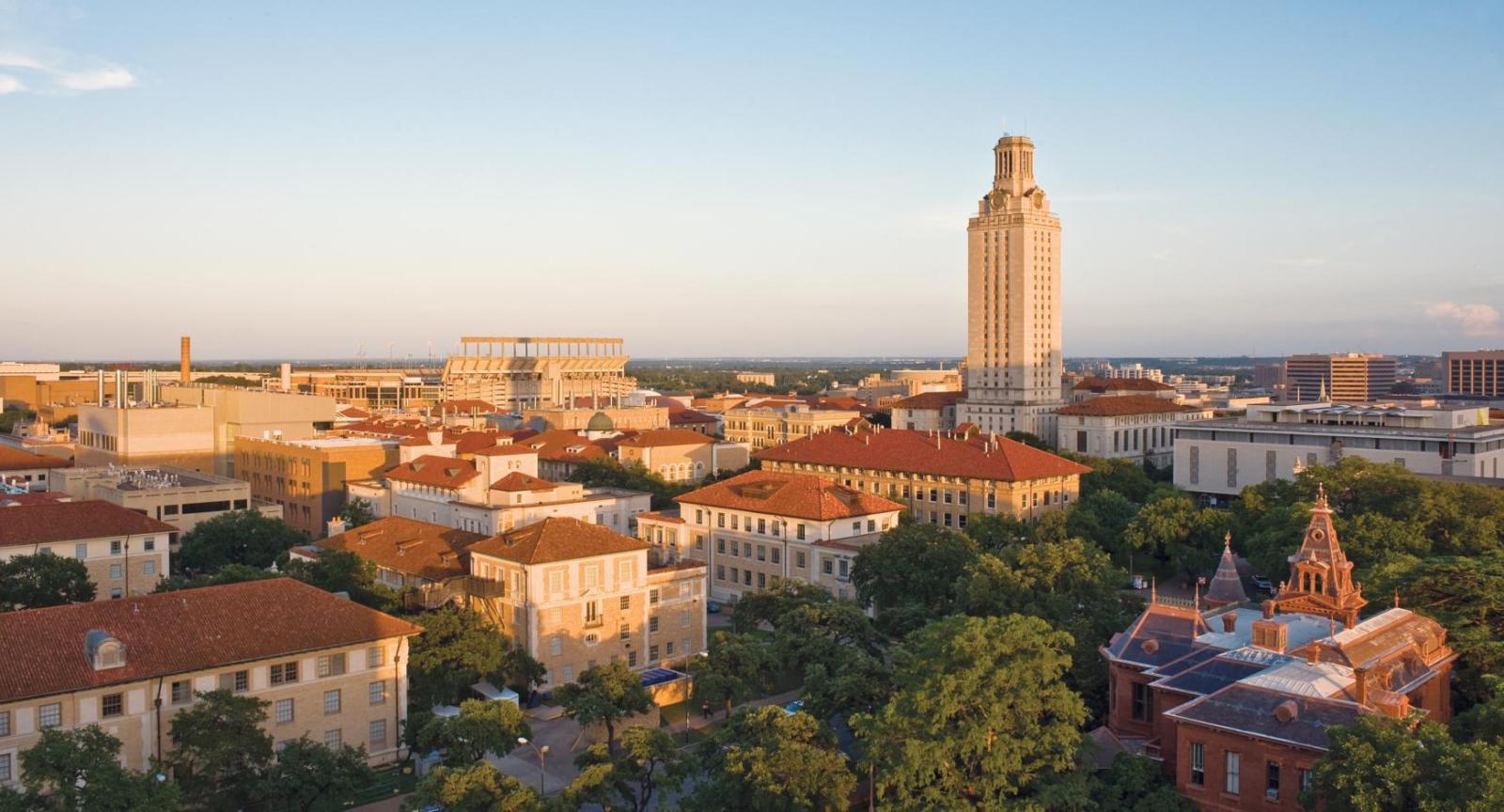
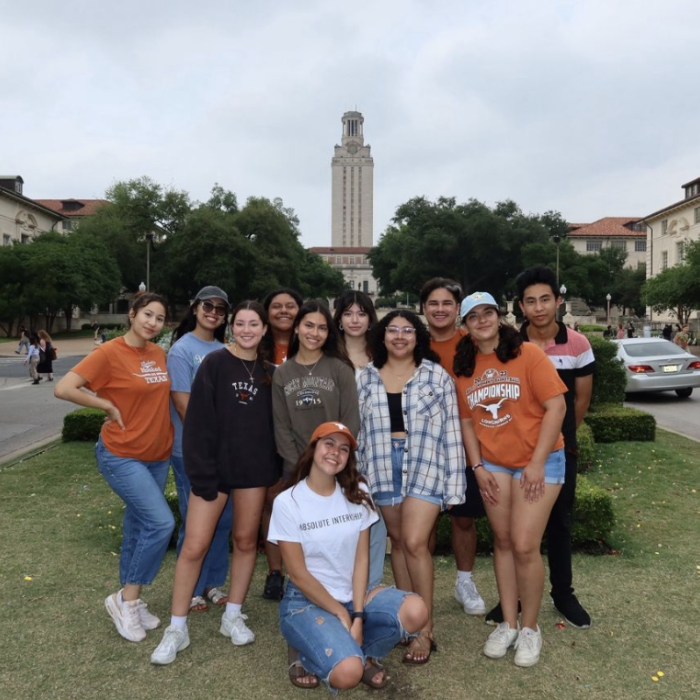
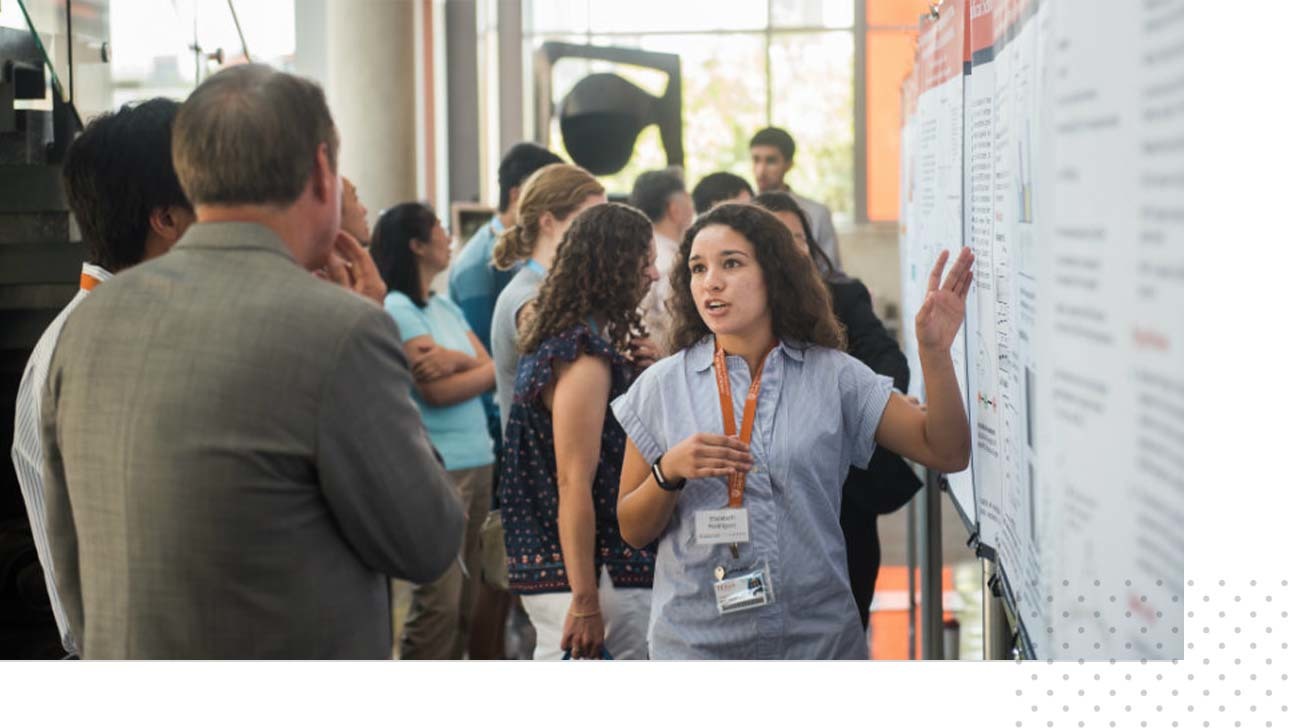
For instance, University of Texas at Austin has strong industry partnerships.

On-Campus Employment
International students on F-1 visas can work part-time on campus, gaining experience while supporting living expenses.
Career Services and Alumni Networks
US universities provide dedicated career services offices to help students succeed professionally.
Career Counseling
Students receive support with:
- Resume writing
- Interview preparation
- Career planning
- Job search strategies
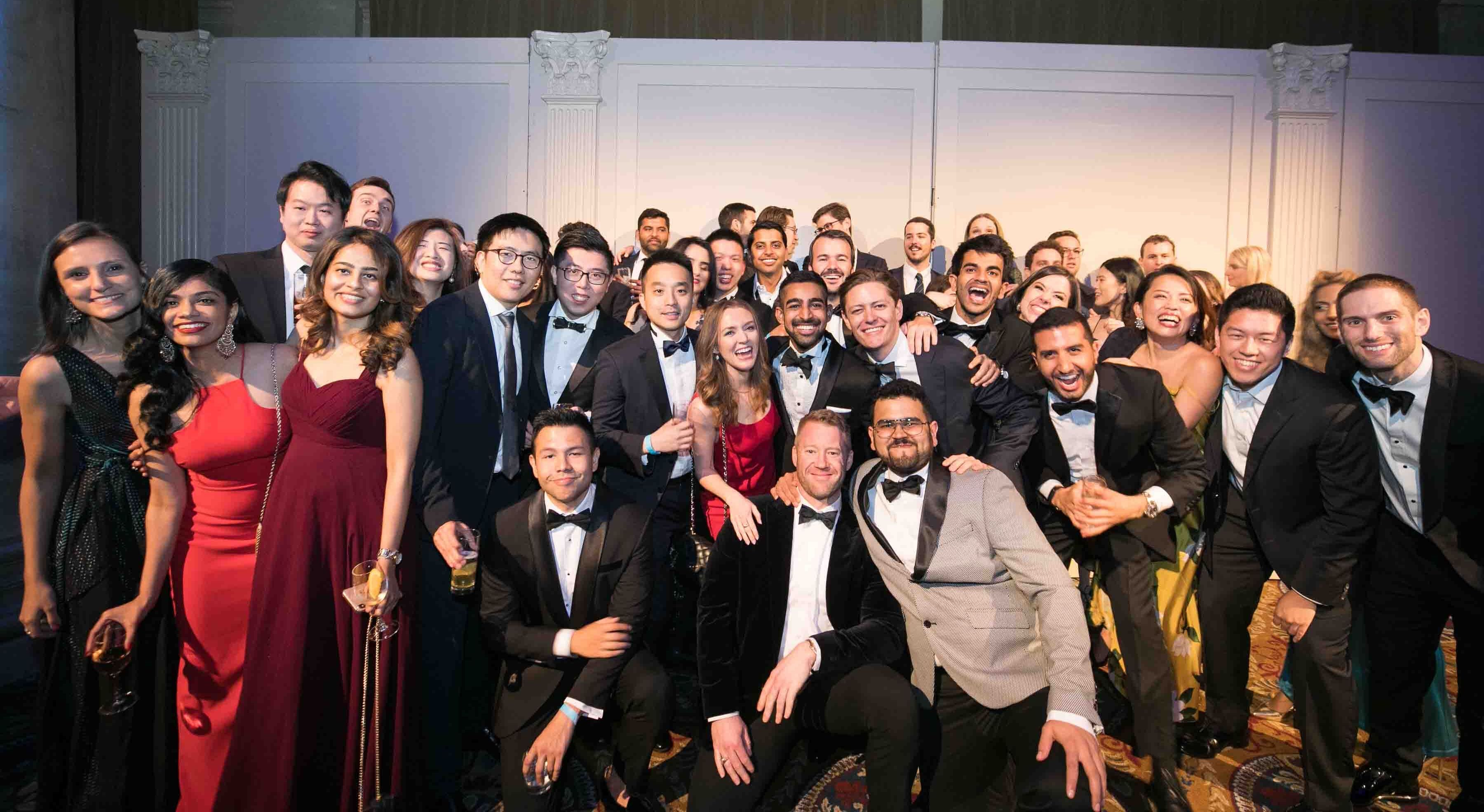
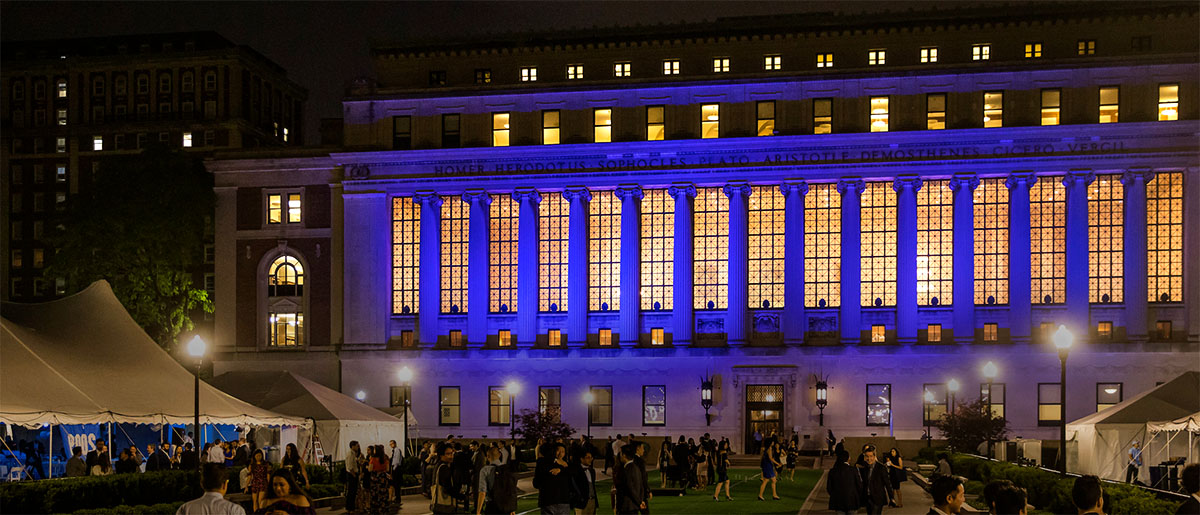
Top institutions such as Columbia University offer strong alumni networks that connect students with global professionals.


Networking Opportunities
Students can attend:
- Career fairs
- Networking events
- Guest lectures
- Industry conferences
Building connections during university often leads to job opportunities after graduation.
Optional Practical Training (OPT)
International students may apply for Optional Practical Training (OPT), which allows them to work in the US after completing their degree.
STEM OPT Extension
Students in Science, Technology, Engineering, and Mathematics (STEM) fields may qualify for extended work authorization, increasing their career prospects.
Personal Growth and Independence
Studying in the US also supports personal development.
Life Skills Development
Students learn:
- Time management
- Financial responsibility
- Independent decision-making
- Problem-solving skills
Living away from home encourages maturity and self-confidence.
Long-Term Career Outcomes
Graduates from US universities often secure positions in multinational companies, startups, research institutions, and government organizations.
Career paths include:
- Business Management
- Engineering
- Data Science
- Healthcare
- Law
- Media and Communication
Strong academic training combined with practical experience gives students a competitive advantage in the global job market.
Conclusion
US universities offer much more than classroom education. From diverse campus life and leadership opportunities to internships and strong alumni networks, students gain valuable experiences that shape their futures.
Institutions such as New York University, UCLA, University of Michigan, University of Southern California, University of Texas at Austin, and Columbia University demonstrate the variety of opportunities available across the United States.
For students seeking academic excellence, personal growth, and global career prospects, studying at a US university can be a transformative journey that lasts a lifetime.